

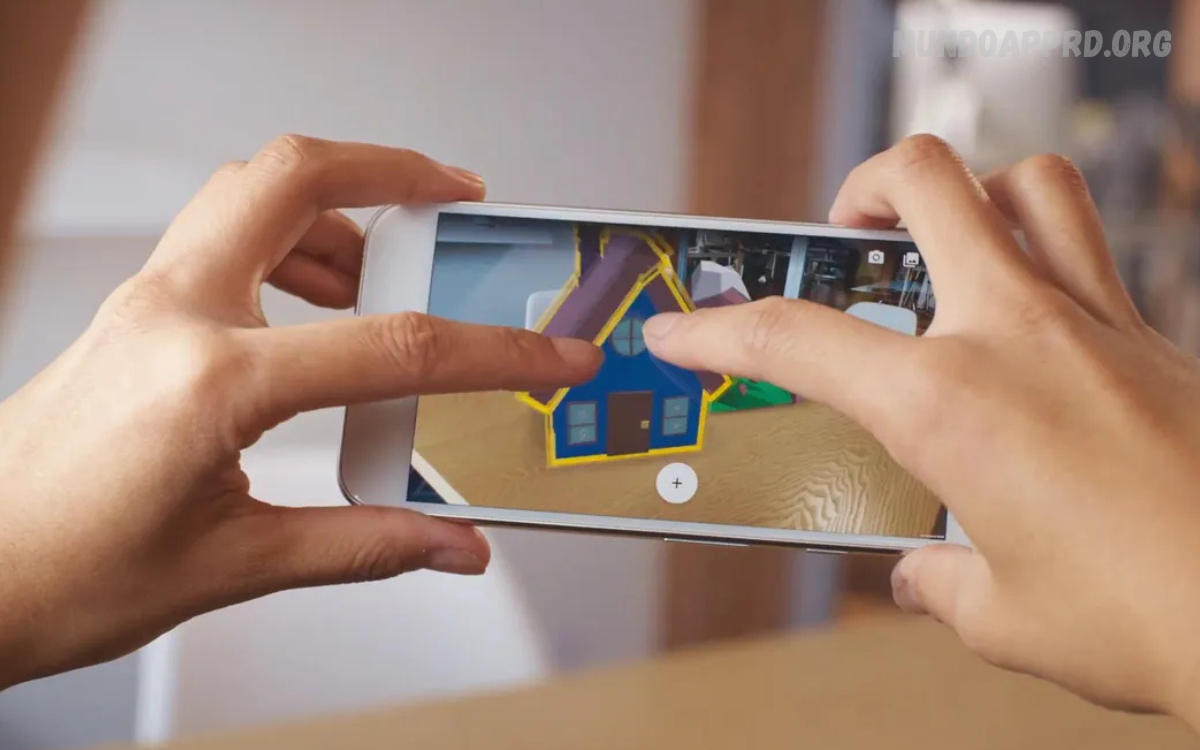
Augmented Reality (AR) has transformed the way people interact with the digital world by blending virtual elements with real-life environments. Today, the best augmented reality apps for everyday use help users complete daily tasks more efficiently while making entertainment, education, shopping, navigation, and communication more engaging.
With rapid advancements in artificial intelligence, mobile technology, and camera capabilities, augmented reality applications are now more accurate, faster, and easier to use than ever before. From students and professionals to travelers and homeowners, people across the world are discovering practical ways to use AR in their everyday lives.
What Is Augmented Reality?
Augmented Reality is a technology that overlays digital content—including images, animations, videos, and 3D models onto the real world using a smartphone, tablet, or AR glasses.
Unlike Virtual Reality (VR), which creates a completely digital environment, AR enhances your surroundings by adding interactive virtual objects while allowing you to remain aware of your physical environment.
Today, AR is used across numerous industries, including:
- Education
- Healthcare
- Retail
- Interior Design
- Travel
- Gaming
- Manufacturing
- Automotive
- Real Estate
- Marketing
Why Use Augmented Reality Apps?
Modern AR applications provide several practical advantages.
Improved Shopping Experience
Users can preview furniture, clothing, glasses, makeup, and home décor before purchasing.
Better Learning
Interactive 3D models make complex topics easier to understand.
Increased Productivity
AR tools simplify measuring rooms, organizing projects, and visualizing designs.
Enhanced Navigation
AR directions provide real-world navigation overlays instead of traditional maps.
Interactive Entertainment
Games become more immersive by combining digital characters with physical surroundings.
Best Augmented Reality Apps for Everyday Use
1. Google Lens
Google Lens transforms your smartphone camera into a powerful AI-powered assistant.
Features
- Translate text instantly
- Identify plants and animals
- Copy text from images
- Solve math problems
- Find products online
- Scan QR codes
- Recognize landmarks
Best For
Daily productivity, travel, education, and shopping.
2. IKEA Kreativ
IKEA’s AR application allows users to visualize furniture inside their homes before purchasing.
Features
- Room scanning
- Furniture placement
- Accurate sizing
- Interior planning
- Product catalog integration
Benefits
- Prevents purchasing mistakes
- Improves room planning
- Saves money
3. Snapchat
Snapchat introduced millions of users to AR through interactive camera filters.
Features
- Face filters
- AR effects
- Virtual makeup
- Interactive games
- Creative photo editing
Snapchat continuously releases new AR experiences powered by artificial intelligence.
4. Pokémon GO
Despite launching years ago, Pokémon GO remains one of the most successful AR applications.
Features
- Real-world exploration
- Interactive gameplay
- Multiplayer events
- Location-based challenges
- AR creature encounters
The game encourages physical activity while providing immersive entertainment.
5. Google Maps Live View
Google Maps includes an impressive AR navigation feature called Live View.
Features
- Walking directions
- Camera-based navigation
- Real-world arrows
- Landmark identification
- Street recognition
This feature makes navigating unfamiliar cities significantly easier.
6. Measure
Many smartphones include AR measuring tools.
These apps measure:
- Room dimensions
- Furniture
- Windows
- Tables
- Walls
- Floor space
Professionals and homeowners benefit from quick measurements without having to carry traditional tools.
7. YouCam Makeup
Beauty enthusiasts use YouCam Makeup to virtually try cosmetic products.
Features
- Lipstick simulation
- Hair color previews
- Skin analysis
- Makeup tutorials
- Beauty recommendations
Virtual testing reduces unnecessary purchases.
Read Also: Cyber Security Basics in 2026: Everything You Need to Know
8. Sky Guide
Sky Guide transforms astronomy into an interactive experience.
Features
- Star identification
- Planet tracking
- Constellation maps
- Satellite detection
- Educational information
Simply point your phone toward the sky to explore space.
9. JigSpace
JigSpace provides interactive 3D educational experiences.
Uses
- Science learning
- Engineering
- Medical education
- Product demonstrations
- Training
Students gain deeper understanding through immersive visual explanations.
10. Houzz
Houzz combines interior design inspiration with augmented reality.
Features
- Furniture placement
- Home remodeling visualization
- Decoration previews
- Paint color testing
- Design inspiration
Homeowners can redesign rooms confidently before making purchases.
Everyday Uses of Augmented Reality Apps
Home Decoration
AR allows users to preview furniture placement, wall colors, flooring, and decorative accessories before buying.
Shopping
Retailers use AR to provide:
- Virtual clothing fitting
- Eyeglass try-ons
- Shoe previews
- Furniture visualization
- Makeup testing
Consumers make better purchasing decisions.
Education
Students benefit from:
- Interactive anatomy models
- Historical recreations
- Scientific simulations
- Language translation
- Geography visualization
Learning becomes more engaging and memorable.
Travel
Travelers use AR apps to:
- Translate foreign languages
- Navigate cities
- Discover landmarks
- Learn local history
- Identify buildings
AR improves travel experiences worldwide.
Fitness
Modern fitness apps use AR for:
- Exercise guidance
- Movement correction
- Interactive workouts
- Outdoor challenges
Users receive visual coaching directly through smartphone cameras.
Productivity
Professionals use AR for:
- Measuring spaces
- Interior planning
- Equipment installation
- Construction visualization
- Project collaboration
AR reduces errors while improving efficiency.
Benefits of Using Augmented Reality Apps
The Best Augmented Reality Apps for Everyday Use provide numerous advantages.
Saves Time
Virtual previews eliminate unnecessary shopping trips.
Improves Decision Making
Users can test products before purchasing.
Better Visualization
AR displays realistic object placement.
Interactive Learning
Educational content becomes easier to understand.
Increased Engagement
Digital experiences feel more immersive than traditional applications.
Cost Savings
Previewing purchases reduces returns and buying mistakes.
How to Choose the Best AR App
Consider these factors before downloading an AR application.
Device Compatibility
Ensure your smartphone supports ARCore (Android) or ARKit (iPhone).
Ease of Use
Look for intuitive interfaces and smooth navigation.
Performance
Choose applications optimized for fast rendering.
Privacy
Review permissions before granting camera access.
Regular Updates
Frequently updated apps generally provide better performance and security.
Future of Augmented Reality
The future of AR looks incredibly promising.
Upcoming innovations include:
- AI-powered assistants
- Smart AR glasses
- Advanced spatial computing
- Remote collaboration
- Healthcare visualization
- Education transformation
- Interactive workplaces
- Enhanced shopping experiences
As wearable technology becomes more affordable, augmented reality will become part of everyday life.
Tips for Getting the Best AR Experience
- Keep your smartphone software updated.
- Use AR apps in well-lit environments.
- Clean your camera lens regularly.
- Ensure enough storage space.
- Close unnecessary background applications.
- Download apps from trusted developers.
- Maintain a stable internet connection when required.
Common Challenges of AR Apps
Although AR technology has improved significantly, users may still experience:
- Battery consumption
- High storage usage
- Limited compatibility on older devices
- Camera calibration issues
- Performance drops on low-end smartphones
Fortunately, these limitations continue to decrease as smartphone hardware evolves.
Why AR Technology Is Becoming Essential?
Businesses increasingly integrate AR into customer experiences because it increases confidence, improves engagement, and creates memorable interactions. Consumers appreciate the convenience of visualizing products before purchasing, while professionals benefit from accurate planning and collaboration tools. As artificial intelligence and machine learning continue to enhance AR capabilities, these applications will become even more intelligent, personalized, and indispensable in daily life.
Frequently Asked Questions
Do augmented reality apps require an internet connection?
Not always. Some AR apps work offline after installation, while others require an internet connection to access cloud-based features, maps, or real-time content.
Are augmented reality apps safe to use?
Yes, reputable augmented reality apps are generally safe when downloaded from official app stores. Always review app permissions and download software from trusted developers.
Which augmented reality app is best for shopping?
IKEA Kreativ, Houzz, and YouCam Makeup are among the best AR shopping apps because they let users visualize furniture, home décor, and beauty products before making a purchase.
Can augmented reality apps improve learning?
Absolutely. AR apps provide interactive 3D models, virtual demonstrations, and immersive educational experiences that make learning more engaging and easier to understand.
Do augmented reality apps drain battery life?
AR apps use your phone’s camera, sensors, and graphics processor, so they can consume more battery than standard apps. Keeping your device updated can help improve efficiency.
What is the future of augmented reality apps?
The future of augmented reality includes AI-powered experiences, smart AR glasses, advanced navigation, immersive education, remote collaboration, healthcare innovations, and more personalized digital interactions in everyday life.
Conclusion
The Best Augmented Reality Apps for Everyday Use have transformed the way people interact with technology by seamlessly blending digital information with the physical world. Whether you’re shopping for furniture, exploring new cities, learning complex subjects, trying on makeup, measuring rooms, or enjoying immersive games, AR apps deliver practical solutions that save time, improve accuracy, and enhance everyday experiences.
As smartphone technology and artificial intelligence continue to advance, augmented reality will become even more powerful and accessible.
